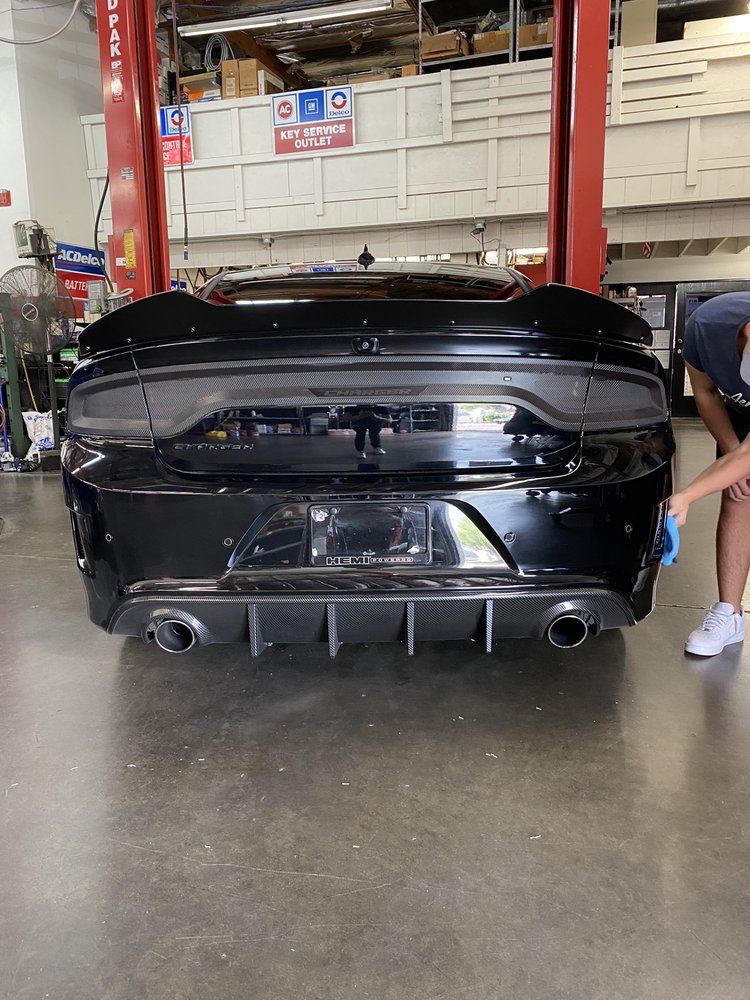

If your vehicle sat through part of the Arizona summer while you were away, do not assume that “not driving it” means nothing changed. Extreme heat, low tire pressure, battery discharge, fluid leaks and long periods of inactivity can all affect a car that has been parked for weeks or months. October snowbird season is a smart time to give the vehicle a basic health check before regular Scottsdale driving resumes.
Airpark Auto Clinic serves Scottsdale and the Scottsdale Airpark with certified auto repair and maintenance services built around clear diagnosis rather than unnecessary work.
1. Start With the Battery
Arizona heat accelerates battery aging. A vehicle that sat unused may also have continued powering security systems, computers and other electronics while parked. Watch for slow cranking, clicking, dim lights during startup or the need for a jump. A battery test can help determine whether the battery still has adequate starting capability and whether the charging system deserves attention.
2. Check Tire Pressure Before Driving Far
Tires naturally lose pressure over time, and temperature changes can alter pressure further. Use the vehicle manufacturer’s recommended cold tire pressure from the door placard, not the maximum pressure molded into the tire sidewall.
Inspect for cracks, bulges, flat spots and uneven wear. If the car vibrates, pulls or shows unusual wear, Airpark Auto Clinic’s wheel alignment service can help determine whether alignment or another suspension condition is involved.
3. Look Under the Vehicle Before You Move It
After a car has been sitting, check the ground for fresh fluid spots. A few drops of clear water from air-conditioning condensation can be normal, but oil, coolant, brake fluid or other colored or oily spots deserve attention.
4. Check the Oil and Maintenance History
Mileage is not the only factor in maintenance. Time matters for some fluids and service items too. Review the owner’s manual and your last service records rather than assuming a low-mileage summer means nothing is due.
Airpark’s preventative maintenance approach can help you catch due items before the winter driving and holiday travel season.
5. Test the Air Conditioning
Scottsdale is still warm in October, and a car that sat through the summer may reveal A/C problems when you start using it again. Check vent temperature, airflow and unusual noises. Airpark provides A/C diagnosis and repair.
6. Make Sure the Brakes Feel Normal
Surface rust can form on brake rotors while a vehicle sits, and a light scraping noise may disappear after gentle normal braking. Persistent grinding, pulling, vibration, a soft pedal or warning lights should not be ignored.
7. Check Wipers, Lights and Washer Fluid
Arizona sun can harden wiper rubber even when the vehicle is barely driven. Replace blades that streak or chatter. Test headlights, brake lights, turn signals and hazard lights, and make sure the washer system works.
8. Look for Rodent or Pest Activity
Vehicles parked for long periods can become attractive shelter for rodents. Look for nesting material, chewed insulation, unusual smells or debris around the engine compartment. Do not reach blindly into areas you cannot see.
9. Take the First Drive Close to Home
After the basic checks, take a short local drive and pay attention to how the car feels. Watch gauges and warning lights. Listen for new noises. Confirm the steering tracks normally and the brakes respond consistently.
Scottsdale Snowbird Return Checklist
- Battery test
- Tire pressure and condition
- Fluid leak check
- Oil and maintenance history
- A/C operation
- Brake feel
- Wipers and exterior lights
- Pest inspection
- Short local test drive
What Happens to Fluids and Rubber While a Vehicle Sits?
Parking a vehicle reduces mileage, but time and temperature still affect components. Rubber seals, belts and hoses remain exposed to Arizona heat, and fluids can reveal leaks that were not obvious during regular driving. Long storage can also allow moisture, dust and pests to create secondary problems.
A courtesy inspection after storage gives the technician a chance to look at belts, hoses, visible leaks and fluid condition before the car returns to daily use.
Do Not Forget the Cabin After a Hot Summer
Check the cabin air filter if it is due, make sure vents are flowing normally and pay attention to musty odors or weak airflow. Dust can accumulate while a vehicle is parked, and an A/C system that barely cooled before storage may feel noticeably worse when Scottsdale temperatures remain warm in October.
Prepare for the Driving You Actually Plan to Do
Many returning snowbirds immediately begin a season of appointments, golf, day trips and holiday travel. If you expect highway driving to Tucson, Sedona, Flagstaff or Southern California, tell the shop. A vehicle that will only make short local trips has a different immediate use pattern from one headed into mountains and colder elevations.
That context helps prioritize battery condition, tires, brakes, coolant and other systems before the first long drive.
Frequently Asked Questions
Is it bad for a car to sit all summer in Arizona?
Not automatically, but heat and inactivity can affect batteries, tires, fluids, rubber components and electronics. A return-to-service inspection is sensible after extended storage.
Should I replace the battery just because I was gone for months?
No. Test it first. Battery age, condition and charging-system performance matter more than a blanket replacement rule.
Welcome Back to Scottsdale — Make Sure the Car Is Ready Too
A quick check after summer storage can prevent a no-start, flat tire or surprise warning light from becoming your first Arizona errand. Schedule service with Airpark Auto Clinic.