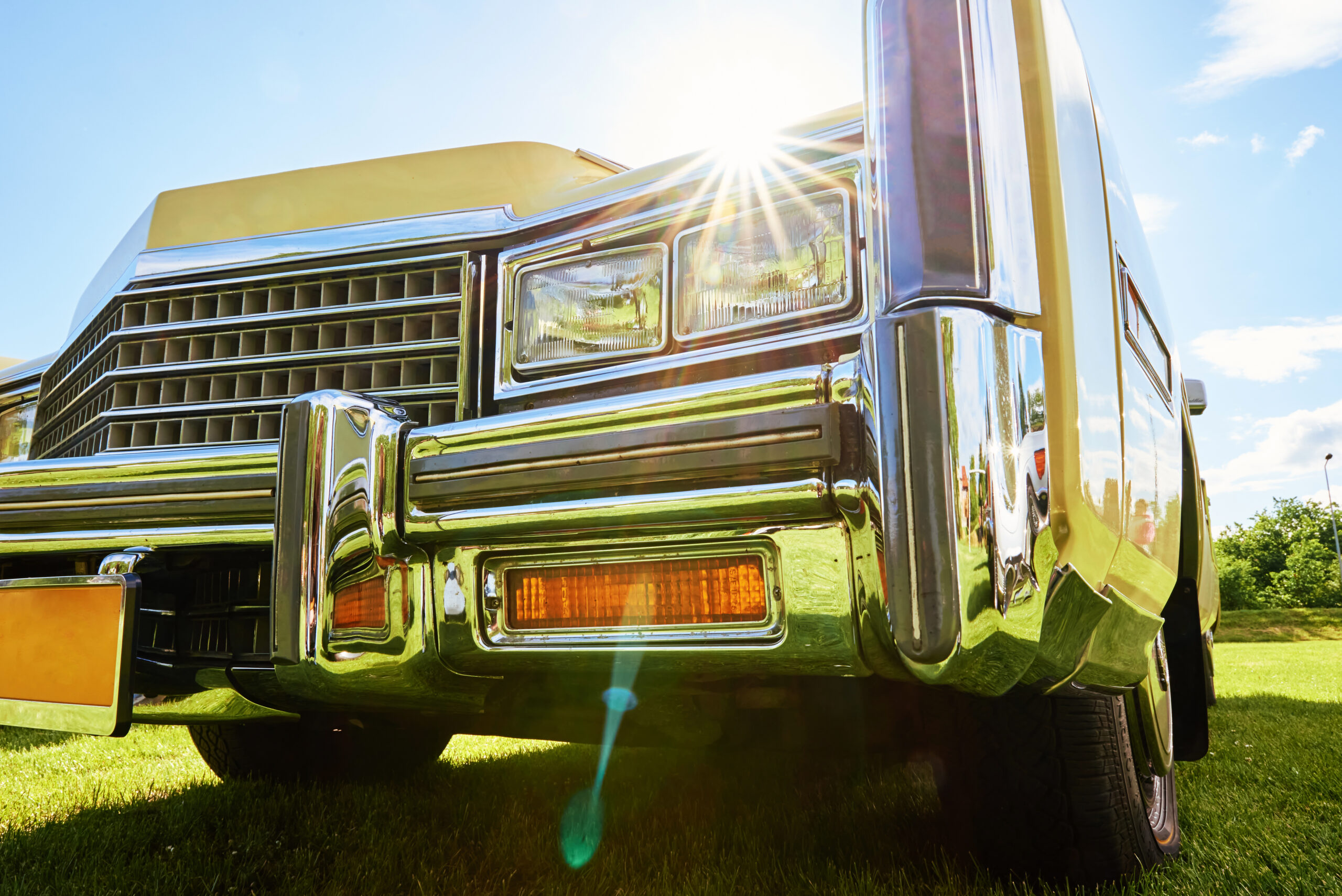
What Happens If Your Car Sits in the Sun Every Day?
During the summer months, especially in hot climates, it’s common for cars to sit in direct sunlight for hours at a time. Whether it’s in a driveway, parking lot, or at work, daily sun exposure can have a gradual but significant impact on your vehicle.
While it may not seem like a problem at first, consistent heat exposure can affect multiple systems in your car, from the interior to critical mechanical components.
Understanding these effects can help you take simple steps to protect your vehicle and extend its lifespan.
How Daily Sun Damages Your Car’s Interior
One of the most noticeable impacts of daily sun exposure is inside your car.
High temperatures can cause:
- Cracking or fading of dashboards
- Warping of plastic components
- Damage to upholstery and leather
- Fading of interior trim
Over time, the interior of your car can age much faster than expected. Even small daily exposure adds up, especially during peak summer months.
How Extreme Heat Shortens Battery Life
Heat is one of the biggest factors in battery wear.
When your car sits in the sun, under-hood temperatures rise significantly. This can cause battery fluid to evaporate more quickly, reducing the battery’s ability to hold a charge.
In many cases, drivers are surprised when their battery fails suddenly during summer—even though it seemed fine before.
Fluids Break Down More Quickly
Your car relies on fluids like engine oil, coolant, and transmission fluid to function properly. Heat can accelerate the breakdown of these fluids, reducing their effectiveness.
When a vehicle sits in direct sunlight day after day, these fluids are exposed to higher temperatures even before the engine is turned on.
Over time, this can lead to:
- Reduced lubrication
- Increased engine wear
- Less effective cooling
Regular maintenance becomes even more important under these conditions.
Tire Pressure Fluctuations
Heat causes air inside your tires to expand. When your car sits in the sun, tire pressure can increase beyond recommended levels.
This can lead to uneven wear and, in extreme cases, increased risk of tire failure, especially when combined with hot road surfaces.
Checking tire pressure regularly during summer is essential for safety.
How Arizona Heat Affects Your Car’s A/C
When your car has been sitting in the sun, the interior temperature can become extremely high. This forces your air conditioning system to work much harder when you first start driving.
Over time, this added strain can contribute to wear on the system, especially if it is already underperforming.
Small Problems Can Build Over Time
The key thing to understand is that sun exposure does not usually cause immediate failure; it creates gradual wear.
What starts as minor stress on components can eventually lead to:
- Shortened battery life
- Worn interior materials
- Reduced fluid performance
- Increased strain on key systems
How to Protect Your Car
Fortunately, there are simple ways to reduce the impact of daily sun exposure:
- Park in shaded areas when possible
- Use a windshield sunshade
- Regularly check fluids and tire pressure
- Schedule routine inspections
- Keep up with battery maintenance
Even small steps can make a noticeable difference over time.
Stay Ahead of Heat-Related Wear
Your car is built to handle tough conditions, but daily exposure to extreme heat can take a toll.
At Airpark Auto Clinic, inspections and maintenance services help drivers identify early signs of heat-related wear before they turn into larger issues.
To learn more about protecting your vehicle during summer, visit airparkautoclinic.com.