What Your Cooling System Has Been Through This Summer
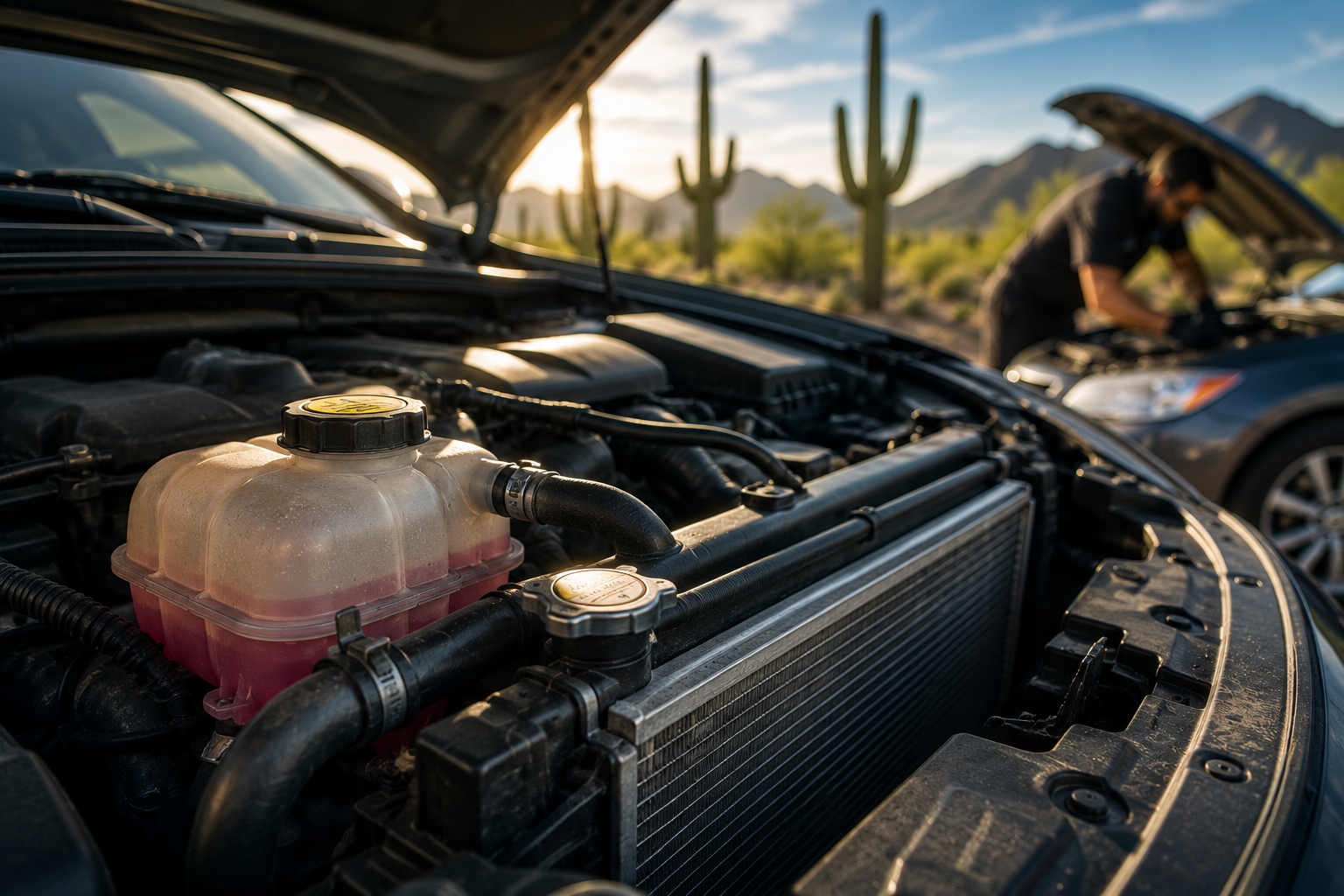
If you’ve driven through a full summer, especially in a hot climate like Arizona, your car’s cooling system has been working harder than almost any other component.
While everything may seem fine on the surface, months of extreme heat can quietly wear down key parts of your system.
Understanding what your cooling system has been through can help you catch issues early and avoid costly repairs later.
The Constant Battle Against Heat
Your engine naturally produces heat every time it runs. The cooling system’s job is to regulate that temperature and prevent overheating.
During summer, this job becomes significantly more demanding.
High outside temperatures mean:
- Less efficient heat transfer
- Higher starting engine temperatures
- Increased strain on coolant and components
Instead of working under normal conditions, your cooling system is operating under stress almost every day. Airpark Auto Clinic’s guide on how Arizona’s extreme heat affects your car explains how high outside temperatures make it harder for the cooling system to keep the engine at safe operating temperatures.
Coolant Under Pressure
Coolant is designed to handle high temperatures, but it does not last forever.
Over time, exposure to extreme heat can cause coolant to:
- Break down chemically
- Lose its effectiveness
- Become contaminated with debris
When this happens, it cannot regulate temperature as efficiently, which increases the risk of overheating.
A professional preventative maintenance inspection can help identify low, dirty, or weakened fluids before they become a larger engine protection issue.
Hoses and Seals Take a Hit
Rubber components like hoses and seals are especially vulnerable to heat.
After months of exposure, they can:
- Become brittle
- Develop small cracks
- Lose flexibility
Even a minor weakness can lead to leaks, which reduce the system’s ability to function properly.
During a full auto repair and diagnostic visit, technicians can check for visible wear, leaks, damaged components, and early signs of failure.
The Radiator Works Overtime
The radiator is responsible for releasing heat from the engine. During summer, it is constantly working at maximum capacity.
Over time, this can lead to:
- Reduced efficiency due to buildup
- Blockages that restrict airflow
- Increased strain on the system
If the radiator cannot dissipate heat effectively, engine temperatures can rise quickly.
That is one reason a late-season inspection is so valuable. Airpark Auto Clinic’s summer road trip car prep guide recommends checking coolant, tire pressure, A/C performance, and other key systems before heat-related problems lead to breakdowns.
The Water Pump and Circulation
The water pump keeps coolant moving through the system. With increased demand during summer, it experiences more wear than usual.
If circulation becomes less efficient, heat can build up in the engine, even if other components are functioning.
Because cooling system problems can overlap with other engine performance concerns, it is important to have an experienced repair team evaluate the full system rather than guessing at the cause.
Why Problems Show Up Later
One of the most common misconceptions is that cooling system problems appear immediately. In reality, they often show up after summer ends.
That is because:
- Wear accumulates over time
- Components weaken gradually
- Small issues become noticeable only after prolonged stress
By the time symptoms appear, the system may already need repair.
Warning Signs to Watch For
After a long summer, it is important to stay alert for early signs of trouble:
- Engine temperature running higher than usual
- Coolant leaks or low levels
- A sweet smell from the engine area
- Steam or overheating during traffic
These are signals that your cooling system may need attention. If you notice any of these warning signs, schedule service with Airpark Auto Clinic before a minor issue turns into a major repair.
Preventative Maintenance Matters
The best way to protect your engine is through preventative care.
This can include:
- Checking coolant levels and condition
- Inspecting hoses and connections
- Flushing and replacing coolant when needed
- Evaluating overall system performance
Small maintenance steps can prevent major breakdowns. Airpark Auto Clinic’s preventative maintenance services help Scottsdale drivers stay ahead of heat-related wear, fluid problems, and performance issues.
Protecting Your Engine Long-Term
At Airpark Auto Clinic, cooling system inspections help identify wear caused by extreme summer conditions before it leads to bigger issues. The shop serves Scottsdale drivers with full-service diagnostics, repairs, and factory-recommended maintenance for domestic, European, and Asian vehicles.
Your cooling system has worked hard all season. Making sure it is ready for what comes next is key to keeping your vehicle reliable.
To learn more, explore Airpark Auto Clinic’s auto repair services, view current service specials, or schedule an appointment today.